
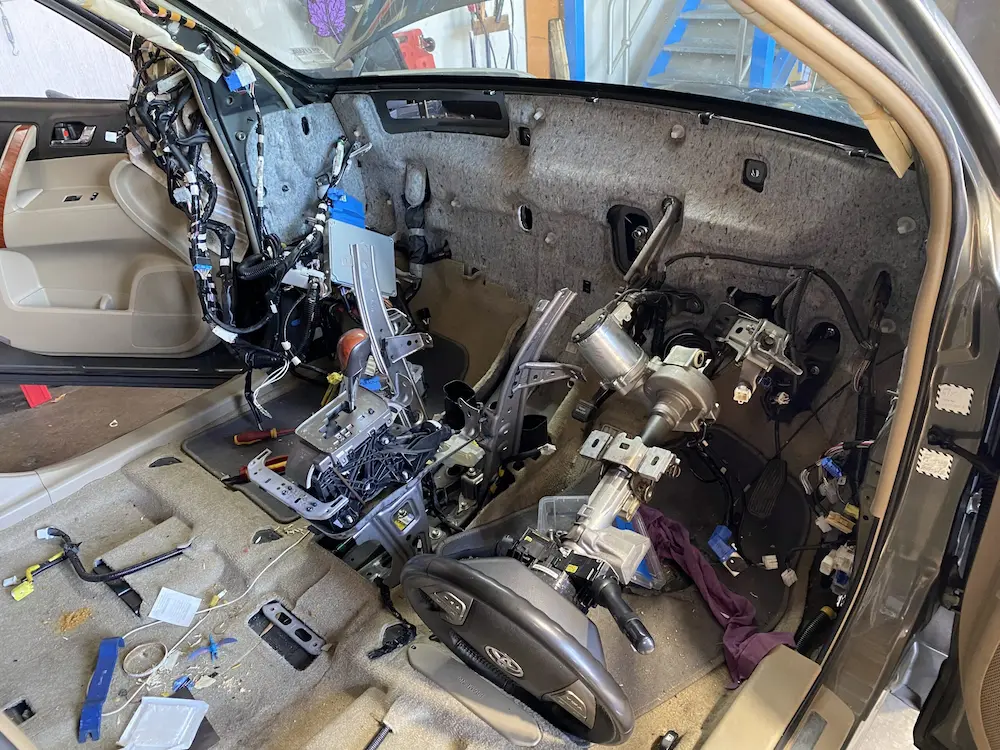
Automotive Air Conditioning Repair & Installation
Stay cool and comfortable on the road with our expert automotive air conditioning services. We specialize in A/C system diagnostics, repairs, and complete installations for all makes and models. Whether your air isn’t blowing cold, you have a refrigerant leak, or you need a brand-new system installed, our certified technicians have the tools and expertise to get your A/C working perfectly again.
From compressor replacements and refrigerant recharges to custom system installations, we use only high-quality parts and precise service techniques to ensure reliable performance. Don’t let the heat slow you down—trust us to keep your vehicle’s air conditioning running efficiently and ice-cold all year round.
We cater for all variants of refrigerant including R134a & 1234yf.
Contact us today to schedule your A/C service or installation!
Key Components of an Automotive Air Conditioning System
- Compressor
The heart of the A/C system. It compresses the refrigerant gas and circulates it through the system, creating the pressure needed for cooling. - Condenser
Located at the front of the vehicle, the condenser releases heat from the high-pressure refrigerant gas, turning it into a liquid as it cools down. - Receiver-Drier or Accumulator
Removes moisture and contaminants from the refrigerant.- Receiver-Drier: Used in systems with a thermal expansion valve (TXV).
- Accumulator: Used in systems with an orifice tube.
- Expansion Valve or Orifice Tube
Regulates the flow of refrigerant into the evaporator. It reduces pressure so the refrigerant can expand and absorb heat effectively. - Evaporator
Located inside the cabin, the evaporator absorbs heat from the air passing over it. The refrigerant inside evaporates into a gas, cooling the air before it’s blown into the cabin. - Blower Motor and Cabin Air Filter
The blower motor pushes air across the evaporator and into the cabin. The cabin air filter ensures clean, dust-free airflow. - Refrigerant
The working fluid that cycles through the system, changing between gas and liquid states to absorb and release heat.

Troubleshooting Common Problems:
- No Cool Air: Could be caused by low refrigerant levels, a faulty compressor, or a clogged condenser.
- Weak Airflow: A dirty cabin air filter, a broken blower motor, or an issue with the evaporator could be the cause.
- Unpleasant Odor: Often caused by mold or mildew in the evaporator coil or dirty cabin air filters.
- Leaks: Leaks in the A/C system can reduce refrigerant levels and prevent the system from functioning properly.
Maintenance Tips:
- Regular Inspections: A/C systems should be checked periodically to ensure they are working efficiently.
- Refrigerant Checks: Ensure that refrigerant levels are adequate; too much or too little refrigerant can harm the system.
- Change Cabin Air Filter: A clogged cabin air filter can reduce airflow and efficiency.
- Run the A/C Regularly: Even in winter, it’s a good idea to run your A/C every few weeks for a few minutes to keep the system in good condition.
